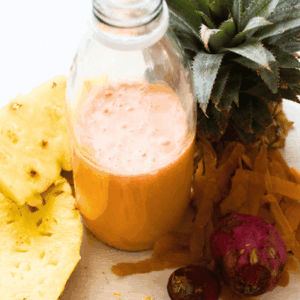
Home » Blog » Recipes » SUPER-Sneaky Veggie Juice Recipe

SUPER-Sneaky Veggie Juice Recipe

SUPER-Sneaky Veggie Juice

Who would have thought you could make a juice from a sweet potato – let alone consume one raw!

Raw sweet potatoes do, however,  have an enzyme inhibitor that can make digestion difficult when eaten in large quantities – so best not to add them into your juice every day. But, by adding a pineapple to this juice we are also adding bromelain – a protein digesting enzyme, which is responsible for many of this fruit’s health benefits including: aiding digestion; reducing inflammation and swelling.


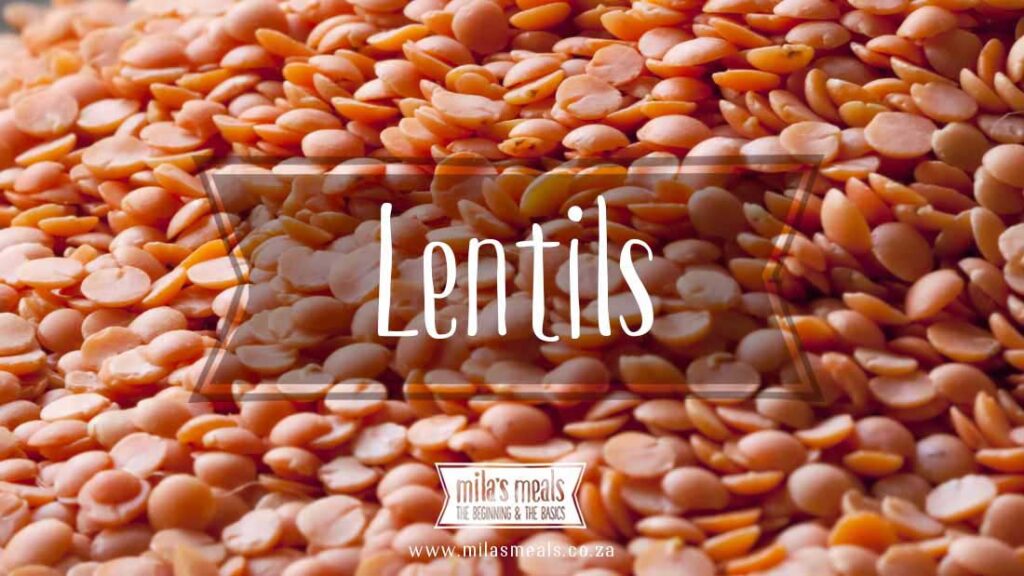
The biggest surprise in this juice – lentil sprouts!

Simply because there is no way I can get Mila to eat this little nutrient powerhouses unless I hide them very well! Lentil sprouts are a good source of vitamin C, iron, folate and protein.


Nutrition Highlights

Sweet potatoes and carrots are very good sources of vitamin C, vitamin A (in the form of beta-carotene) and potassium. The pineapple adds an extra vitamin C boost.
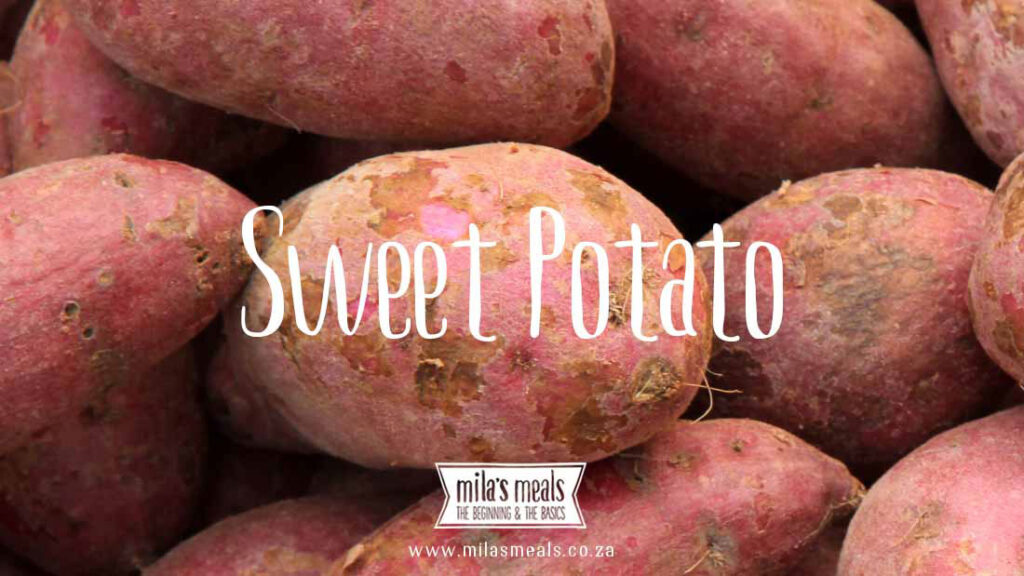
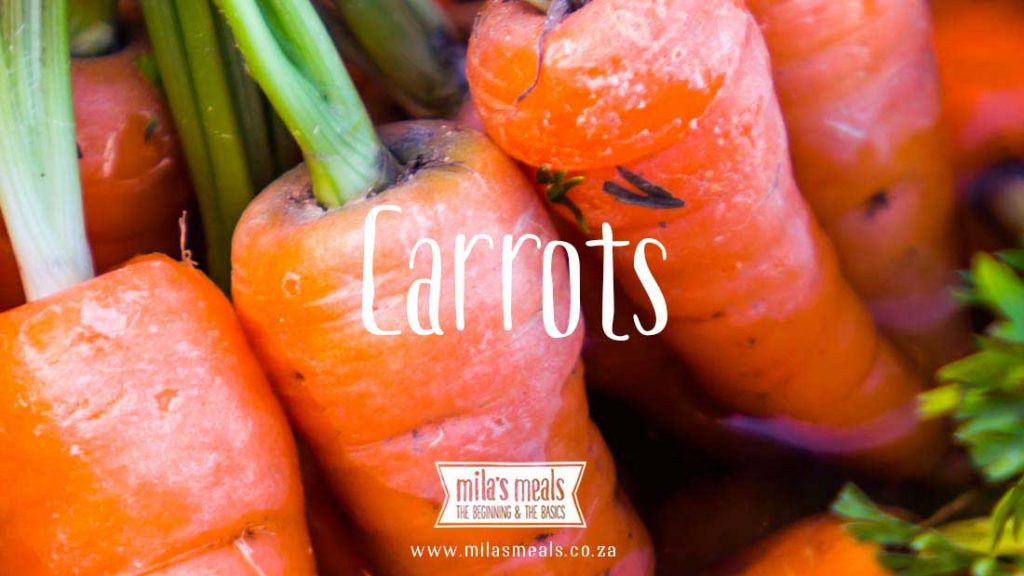
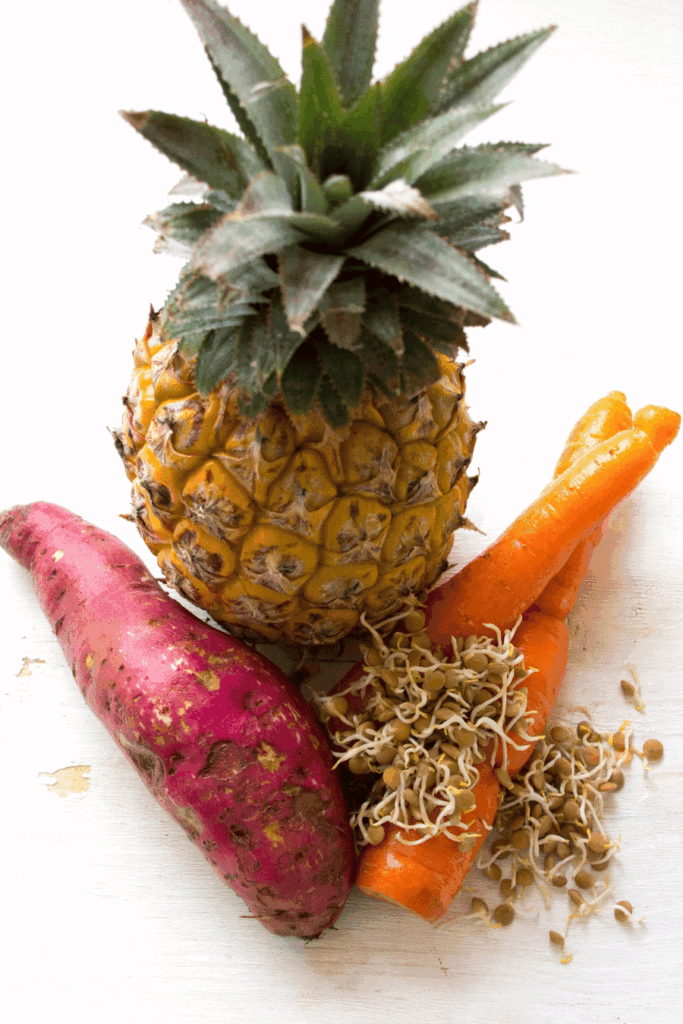
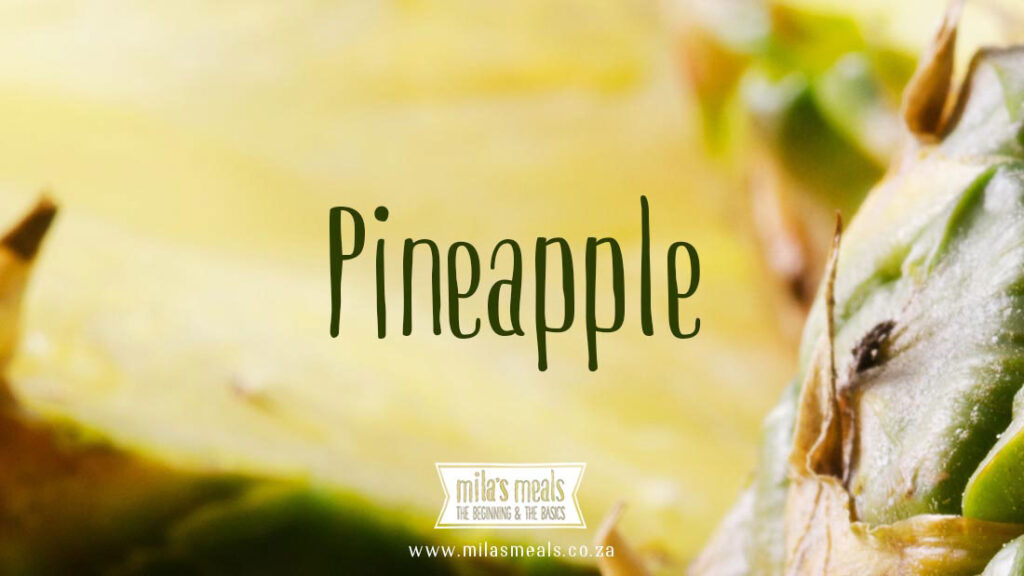
pineapple, sweet potato, lentils, carrot

Need a Juicer?

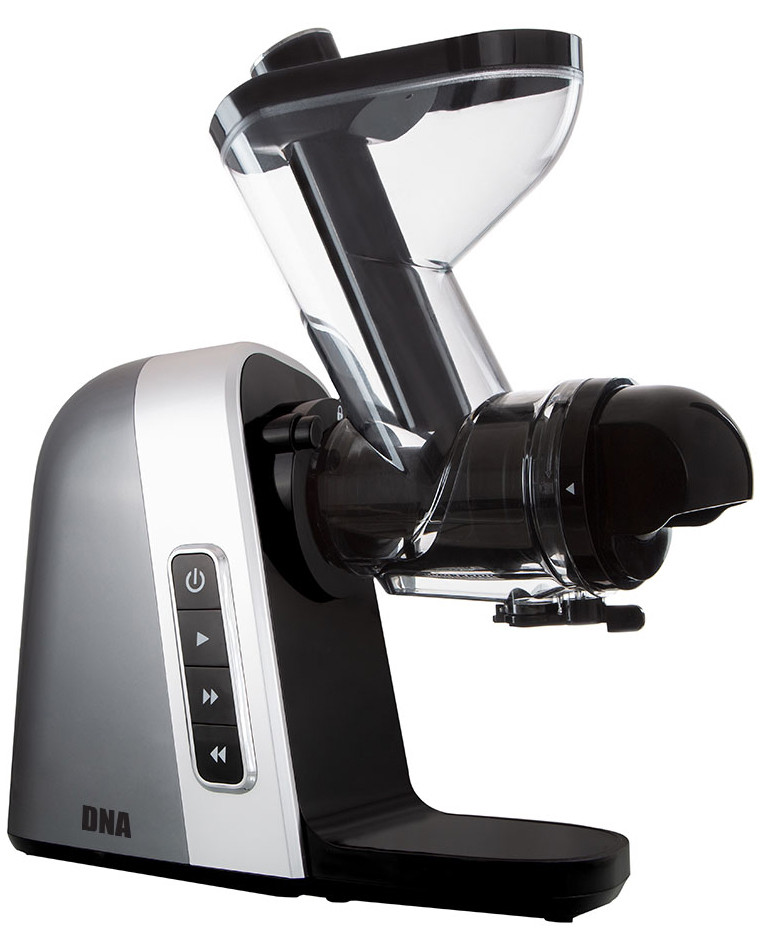
I use an Oscar Juicer which I love. But they don’t seem to be available in South Africa at the moment. I would recommend this DNA slow juicer instead. 

TIP: Always go for a masticating juicer as they preserve nutrients better than a centrifugal juicer.

Features of the DNA Slow Juicer:

  • Cold press juicer
  • Ideal for leafy greens & stringy vegetables
  • Able to juice whole fruits and vegetables
  • Features a 75mm extra large smart feed chute
  • Boasts a 1.5L capacity & 2 speed settings
  • Features an anti-drip system
  • Minimes heat build-up & oxidation
  • Extracts maximum nutrients, vitamins & taste
  • 2-year warranty on the appliance
  • 1-year warranty accessories

This post contains affiliate links. Click here to read my affiliate policy.

Juicing Tips

Use a Masticating Juicer

Masticating or ‘Slow’ Juicers crush or ‘chew’ the fruit or veggies at a slow and steady rate, pressing the juice and nutrients out. The juice trickles into one compartment, while a rotating grinder pushes the ‘cud’ out the other end into another compartment.

Buy Organic

When making juices try buy organic fruits and vegetables. If these are unavailable, use one of the fruit & veggie washes mentioned at the bottom of this post. You may also want to peel the fruits and veggies if they are not organic.

SUPER-Sneaky Veggie Juice

SUPER-Sneaky Veggie Juice

SUPER-Sneaky Veggie Juice

Catherine Barnhoorn
Who would have thought you could make a juice from a sweet potato – let alone consume one raw! This juice is made from Sweet Potato, pineapple, carrot and lentils.
Prep Time 5 minutes
Cook Time 5 minutes
Course Drinks
Servings 1

Equipment

  • 1 Juicer

Ingredients
  

  • 1 Sweet Potato peeled if not organic
  • 2 Carrots peeled if not organic
  • 1 Pineapple peeled
  • 1/4 cup Lentil sprouts

Instructions
 

  • Wash all fruits and veggies thoroughly.
  • Cut to size (to fit in your juicer).
  • Add through juicer.
  • Serve and enjoy!

Notes

Raw sweet potatoes do, however,  have an enzyme inhibitor that can make digestion difficult when eaten in large quantities – so best not to add them into your juice every day. But, by adding a pineapple to this juice we are also adding bromelain – a protein digesting enzyme, which is responsible for many of this fruit’s health benefits including: aiding digestion; reducing inflammation and swelling.
And the biggest surprise in this juice – lentil sprouts! Lentil sprouts are a good source of vitamin C, iron, folate and protein.
Sweet potatoes and carrots are very good sources of vitamin C, vitamin A (in the form of beta-carotene) and potassium. The pineapple adds an extra vitamin C boost.
Keyword juice, sneakyveggies
Pinterest
Facebook
Twitter
LinkedIn

Ingredient & Nutrient Glossary

Sweet potatoes are an excellent source of vitamin A (in the form of beta-carotene), a very good source of vitamin C and manganese, and a good source of copper, dietary fibre, niacin, vitamin B5 and potassium.

carrot nutrition information

Excellent source of: array of phytonutrients, vitamin A (in the form of carotenoids).

Very Good source of: biotin, vitamins B6, C and K1, dietary fibre, molybdenum and potassium

Good source of: manganese, niacin, vitamins B1, B2 and E, panthothenic acid, phosphorus, folate and copper

Carrots are a good source of antioxidants and have cardiovascular benefits, anti-cancer benefits and support the development of healthy eyes.

Pineapple is an excellent source of vitamin C and manganese, a very good source of copper and a good source of vitamins B1 and B6, dietary fibre, folate and pantothenic acid.

Pineapple contains a protein digesting enzyme, bromelain, which is responsible for many of this fruit’s health benefits including: aiding digestion; reducing inflammation and swelling; and, possibly, anti-cancer benefits. Bromelain is so beneficial that it is now extracted from pineapples and sold as a dietary supplement.

Additional health benefits of pineapple includes: antioxidant protection and immune support; energy production; and eye protection.

Lentil sprouts are and excellent source of folate, vitamin C (created during sprouting) and molybdenum. A very good source of dietary fibre, copper, phosphorus, manganese, magnesium. And a good source of iron, protein, vitamins B1 and B6, pantothenic acid, zinc, potassium.

Sprouting not only makes lentils easier to digest, but also increases their nutrient content compared to dried or cooked lentils.

Like this ingredient & nutrient information?

Find even more detailed info in my #notjustacookbook cookbook!

The Mila's Meals Ingredient Glossary

The how, what & why to buy, store & use 156 whole-food ingredients.

Fruit & Veggie Washes:

  • Soak fruits or veggies in a basin of water with a tablespoon of bicarb (baking soda) for 10 – 20 minutes, then add a tablespoon of vinegar to the water to rinse them.
  • Spray fruit or vegetables with vinegar and then with 3% (10 volume) hydrogen peroxide, or vice versa (keep these in separate spray bottles, peroxide in a dark or opaque bottle away from sunlight). Then rinse or wipe clean.
  • Or, soak in a basin of cold water with a tablespoon each of salt and lemon juice for five minutes, then rinse.

Any of these will get rid of pesticide residues and waxy coatings, as well as salmonella and bacteria. They will also freshen up tired veggies.

I tend to put leave my fruits and veggies to soak while I am either in the shower or doing other chores before breakfast and dinner.

A NOTE ABOUT HYDROGEN PEROXIDE

  • Avoid coming into direct contact with hydrogen peroxide since it will burn your skin. If you come into contact with it, immediately flush the affected area with water.
  • It should be stored away from sunlight in a dark air-tight container.
  • For more information on Hydrogen Peroxide, please visit the Spotless Living website.

Mila’s Meals Reviews

What people say?

This is a delightful and well-informed feast of a book that is especially written for children that suffer with food intolerances. Catherine is especially mindful of gut health too. The book comes with some great advice on eating for the soul.
Remember when we were told not to play with our food. Wow, I wish I could have a do-over. This book will shed light on how you look at your child’s moods, foods, toxic exposures, colic, constipation, ear infections, runny nose, asthma and so much more.

#notjustforbabies

Its as much about learning how to feed your child as it is about re-learning how to feed yourself

Leave a Comment

This site uses Akismet to reduce spam. Learn how your comment data is processed.

Shopping Basket
Scroll to Top